Wednesday, May 7, 2025

Boobamma - skilled community-based health workers

Boobamma were traditional health specialists in rural South India, especially in regions of Andhra Pradesh and parts of Karnataka, and some of them indeed performed baby deliveries along with childcare. Their role was deeply respected in the community, especially among women who relied on them for maternal and infant care long before modern clinics reached the villages.


đź‘©‍⚕️ Who Was a Boobamma?

"Boobamma" (derived from "Bibiamma") was often a Muslim woman trained through oral traditions and practical experience passed down in her family, usually matrilineally. These women were not doctors in the modern sense but were skilled community-based health workers known for:

  • Maternal care

  • Infant health management

  • Postpartum support

  • Traditional medicine preparation


🧒🏽 Roles & Responsibilities

1. Child Healthcare

Boobammas were experts in treating childhood ailments using natural remedies:

  • Colic & indigestion: Given herbal concoctions and massage.

  • Teething pain: Used traditional powders and cooling agents.

  • Colds & fevers: Used decoctions made from leaves and roots.

  • Nutritional advice: Guided mothers on food for lactating women and infants.

2. Midwifery (Baby Delivery)

  • Boobammas assisted or conducted childbirth in homes, especially when modern hospitals were inaccessible or unaffordable.

  • They used clean cloths, herbal disinfectants, and traditional oils to ensure safe delivery.

  • Provided postnatal massages and mother-baby care.

  • Taught new mothers how to bathe, swaddle, and breastfeed the baby.

  • Managed birth complications to the extent their training allowed and advised hospital visits if the case was risky.

3. Postpartum Care

  • Administered post-delivery tonics to regain strength.

  • Assisted with umbilical cord care, baby massage, and early hygiene.

  • Advised diet for the new mother based on hot/cold food theory in traditional Indian medicine.


📦 Remedies and Tools

  • "Gadidha palu" (donkey milk): For digestive issues (used very rarely).

  • Herbal oils: For massages and immunity-building.

  • Iron-rich ash or plant-based powders: For treating anemia or weakness.

  • "Nalugu" (bath powder): Used for baby’s first bath to remove birth residue and body hair.


🌾 Social and Cultural Role

  • Boobammas were not formally educated but were trusted more than village doctors in some areas.

  • They were often invited to neighboring villages, paid in cash, grains, or clothes.

  • Maintained intimate, long-term relationships with families across generations.

  • Often served across religious and caste boundaries, especially in multi-faith villages.


🕊️ Present Day

With the arrival of government hospitals, ASHA workers, and institutional deliveries, the Boobamma tradition is disappearing. Some still practice in remote regions, or when families specifically request their service based on ancestral trust.


Friday, May 2, 2025

Handlooms Of India

Northern India

______________________________________________________________________________

đź’˘Jammu & Kashmir
  1. Pashmina
  2. Shahtoosh
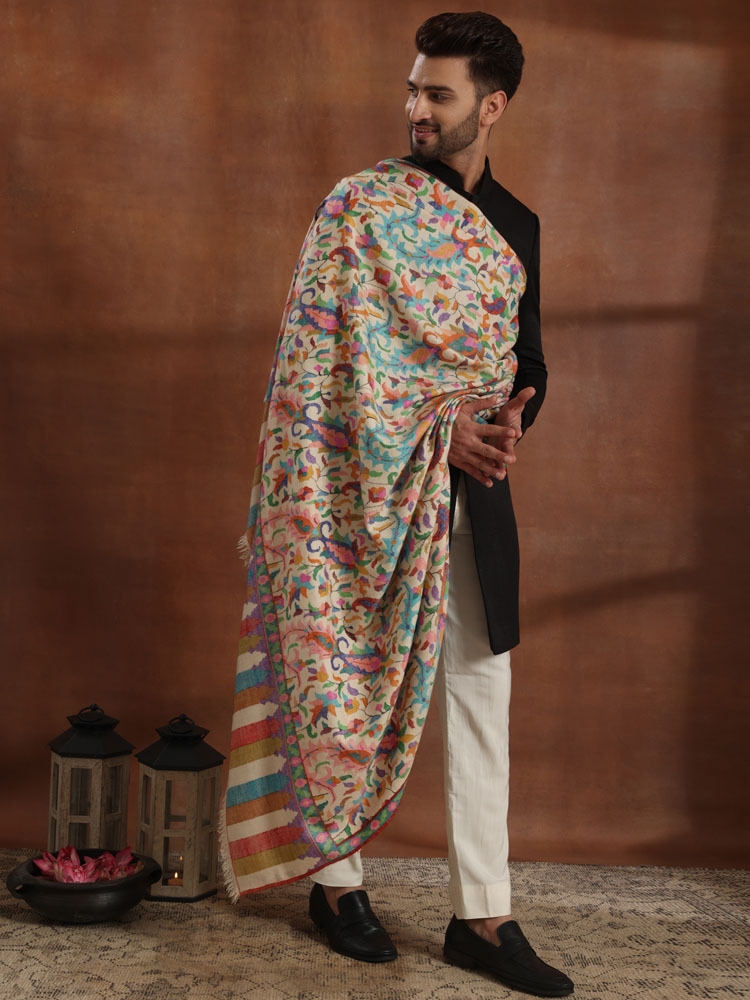
  3. Kani Weave
    Pashmina
____________________________________________________________________________

đź’˘Himachal Pradesh
  1. Kullu Wool
  2. Chamba Rumal
    Chamba Rumal
______________________________________________________________________________


đź’˘Punjab: 
  1. Phulkari 
  2. Bafta
    Phulkari
____________________________________________________________________________


đź’˘Haryana: 
  1. Cotton durries
  2. Khes
.   Khes
______________________________________________________________________________


đź’˘Uttarakhand
  1. Panchachuli Weave
  2. Woolen Weaves from Almora
    Panchachuli Weave
___________________________________________________________________________


đź’˘Rajasthan
  1. Kota Doria
  2. Leheriya
  3. Bandhani
  4. Sanganeri
  5. Bagru Prints
  6. Dabu Printing:
  7. Pattu Weaving:
Kota Doria
______________________________________________________________________________


đź’˘Uttar Pradesh
  1. Banarasi Brocade
  2. Chikankari 
Chikankari
______________________________________________________________________________


đź’˘Delhi: No distinctive weave, but weaving communities exist
______________________________________________________________________________


Western India

______________________________________________________________________________

đź’˘Gujarat
  1. Patola (Patan Double Ikat)
  2. Tangaliya
  3. Mashru
  4. Bandhani
Tangaliya


đź’˘Maharashtra
  1. Paithani
  2. Himroo (Aurangabad)
  3. Nagpuri Cotton
  4. Narayan Pethi
  5. Solapur Silk
  6. Karvatkati Silk 
  7. Himroo: 
  8. Mashru: 
  9. Khun
Himroo
______________________________________________________________________________


đź’˘Goa
  1. Kunbi weave (revived), cotton saris with checkered patterns
Kunbi
______________________________________________________________________________


Central India

__________________________________________________________________________

đź’˘Madhya Pradesh: 
  1. Chanderi
  2. Maheshwari
  3. Bagh Print 
  4. Mashru

Bagh Print
______________________________________________________________________________


đź’˘Chhattisgarh: 
  1. Kosa Silk
  2. Bastar Pata
  3. Tussar
Bastar Pata
______________________________________________________________________________


Eastern India

______________________________________________________________________________

đź’˘Bihar: 
  1. Bhagalpuri Silk  
  2. Sujani work
Sujani work
______________________________________________________________________________


đź’˘Jharkhand: 
  1. Kuchai, 
  2. Tribal Weaves
  3. Tussar Silk
  4. Anjana
  5. Swarnareksha
Kuchai
______________________________________________________________________________


đź’˘Odisha: 
  1. Sambalpuri Ikat
  2. Bomkai
  3. Berhampuri / Berhampur Pata
  4. Habaspuri
  5. Kotpad
  6. Khandua
  7. Jotai Ikat
  8. Taraballi
  9. Bichitrapuri

Habaspuri
______________________________________________________________________________


đź’˘West Bengal: 
  1. Baluchari
  2. Jamdani
  3. Tant
  4. Garad
  5. Dhaniakhali
  6. Kantha
  7. Muslin
  8. Dhakai Jamdani
  9. Garad Silk
  10. Batik
  11. Santipuri
Dhaniakhali
______________________________________________________________________________


North-Eastern India

______________________________________________________________________________

đź’˘Assam: 
  1. Muga Silk
  2. Eri Silk
  3. Assam Cotton
  4. Mekhela Chador
  5. Pat Silk

Eri
______________________________________________________________________________


đź’˘Manipur: 
  1. Moirang Phee
  2. Phanek
  3. Wangkhei Phee
Wangkhei Phee
______________________________________________________________________________


đź’˘Nagaland: 
  1. Backstrap Loom Weaves
  2. Tribal Shawls
Backstrap Loom Weaves


______________________________________________________________________________

đź’˘Mizoram: 
  1. Puan Weave 


______________________________________________________________________________

đź’˘Tripura: 
  1. Risha and Rignai traditional weaves


______________________________________________________________________________

đź’˘Arunachal Pradesh: 
  1. Wool and cotton tribal weaves


______________________________________________________________________________

đź’˘Meghalaya: 
  1. Eri Silk
  2. Dakmanda


Dakmanda


______________________________________________________________________________


South India
______________________________________________________________________________


đź’˘Andhra Pradesh: 
  1. Mangalagiri
  2. Uppada
  3. Dharmavaram
  4. Venkatagiri
  5. Kalamkari


Venkatagiri

______________________________________________________________________________

đź’˘Telangana: 
  1. Pochampally Ikat
  2. Gadwal
  3. Narayanpet
  4. Gollabhama


Narayanpet
______________________________________________________________________________

đź’˘Tamil Nadu: 
  1. Kanchipuram Silk
  2. Chettinad Cotton
  3. Kovai Cora Cotton


Kovai Cora Cotton
______________________________________________________________________________

đź’˘Karnataka: 
  1. Ilkal
  2. Molakalmuru
  3. Mysore Silk
  4. Udupi 
  5. Pattada Anchu
  6. Khun /Khana
  7. Kasuti Embroidery


Udupi 
______________________________________________________________________________

đź’˘Kerala: 
  1. Kasavu
  2. Balaramapuram 
  3. Chendamangalam
  4. Kuthampully 
  5. Kasaragod Saree


Balaramapuram 

______________________________________________________________________________


Boobamma - skilled community-based health workers

Boobamma  were traditional health specialists in rural South India, especially in regions of Andhra Pradesh and parts of Karnataka , and so...