Showing posts with label Drapes of India. Show all posts

Friday, March 28, 2025

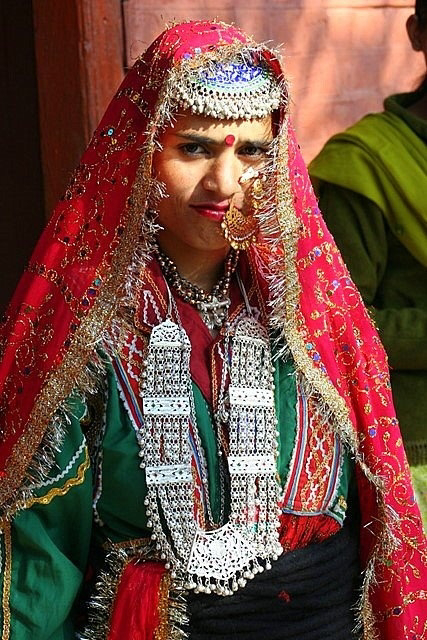
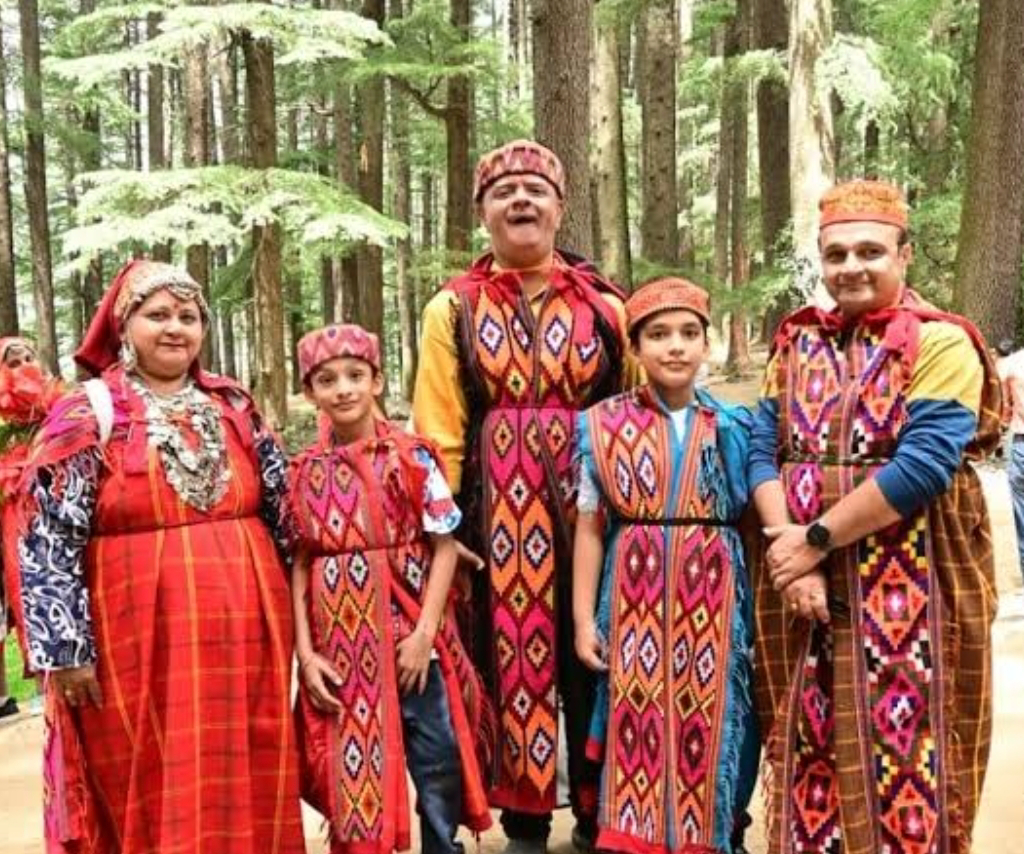
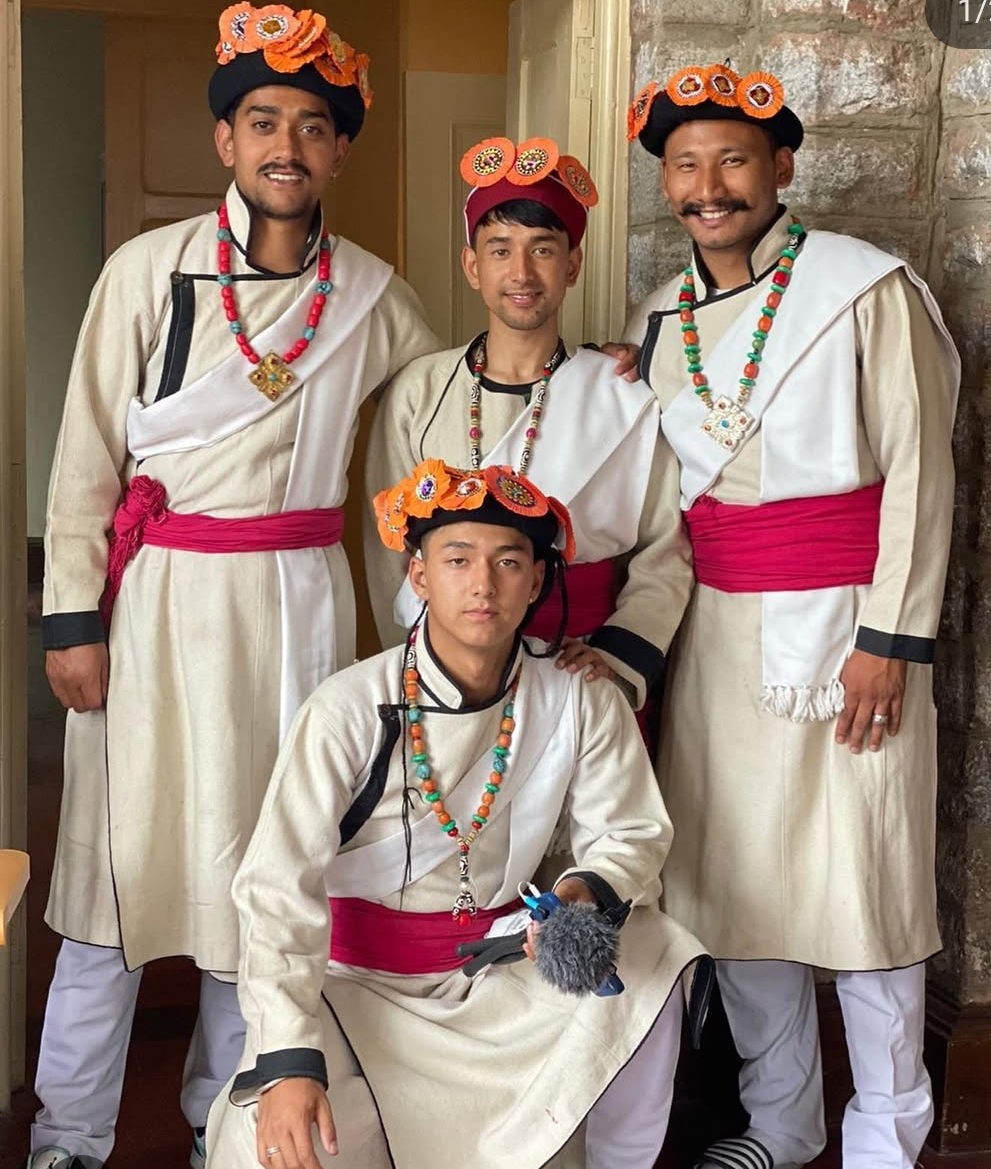
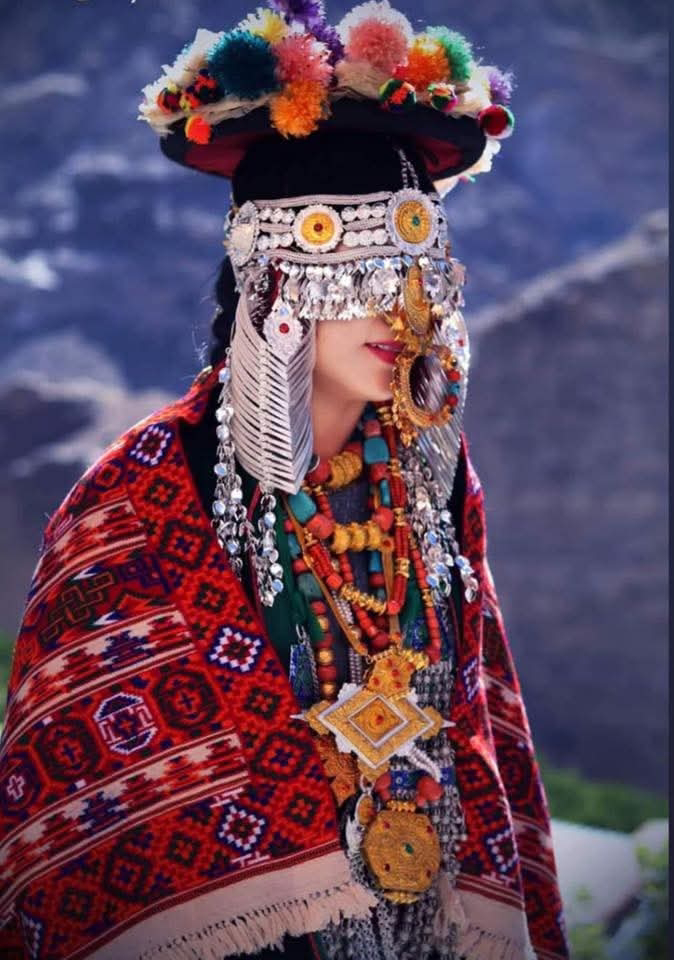
Traditional Dresses of Himachal Pradesh: A Cultural Legacy

Traditional Dresses of Himachal Pradesh: A Cultural Legacy

Himachal Pradesh, nestled in the lap of the Himalayas, is known for its breathtaking landscapes and rich cultural heritage. One of the most visible aspects of this heritage is its traditional attire, which varies across regions due to differences in climate, geography, and ethnic diversity.

This article highlights the Top 10 Traditional Dresses of Himachal Pradesh, focusing on their craftsmanship, cultural significance, and regional uniqueness.

Here is the corrected and refined list of 10 traditional Himachali dresses:

  1. Chaugoshi (Chamba) – Traditional embroidered outfit for women.

  2. The Rejta (also spelled Reshta) (Lahaul-Spiti) – Layered woolen dress for women.


  3. Kulluvi Pattu (Kullu) – Long woolen kurta shawl like drape

  4. Chola (Chamba, Kangra) – Traditional tunic worn by men.

  5. Suthan (All Himachal – Kangra, Mandi, Kullu) – Pahari-style salwar for both men and women

  6. Himachali Topi – Traditional caps for men.

  7. Ghagri and Chaddar (Kangra, Mandi) – Women’s outfit with a long skirt and draped shawl.

  8. Dhatu  – It is a headscarf or turban worn by women, primarily in the upper Himachal regions like Kinnaur and Kullu. The dhatu is usually made of wool and is often colorful with intricate designs.

  9. Shamo (cap), Rigoya (the dress), and Lingti (woven shawl) - Spiti Valley 
  10. Lahouli Dress Men
  11. Kinnauri Dress

1. Importance of Traditional Clothing in Himachal Pradesh

  • Traditional attire reflects the cultural heritage and distinct ethnic identities of the people.

  • Designs, fabrics, and embroidery often symbolize social status, religion, or community identity.

  • Woolen garments like Pattu and Chola are essential for protection in the cold climate.

  • These attires play a significant role in festivals, ceremonies, and religious rituals.

  • Preserving traditional clothing supports local artisans and the handloom industry, contributing to the region’s economy.


2. Materials Used in Himachali Traditional Attire

  • Wool – Most commonly used fabric in colder regions like Kullu, Kinnaur, and Lahaul for garments like Pattu, Chola, and Dorukha shawls.

  • Cotton – Used for summer clothing such as Churidar Pajamas and Choli-Ghagra.

  • Silk – Reserved for special occasions, seen in outfits like the Chamba Chaugoshi, known for its fine embroidery.

  • Locally sourced natural materials ensure durability while maintaining cultural authenticity.


3. Influence of Festivals and Ceremonies on Traditional Attire

  • Kullu Dussehra – People wear vibrant handwoven Pattu shawls, embroidered Kurtas, and Ghagras.

  • Phulaich Festival – Celebrated in Kinnaur, showcases intricate woolen garments and floral headgear.

  • Weddings & Religious Ceremonies – Special garments made of silk and pashmina with elaborate embroidery.

  • These occasions keep traditions alive and reinforce cultural pride.


4. Impact of Modern Trends on Himachali Traditional Clothing

  • Urban areas see a shift towards lighter fabrics like cotton and synthetic blends for comfort.

  • Traditional attire is now adapted with modern designs, such as simpler versions of Ghagra-Choli and Churidar Pajama.

  • Despite modernization, woolen garments like Kulluvi Kurtas and Pattu shawls remain popular in rural regions and festivals.

  • A balance between tradition and practicality helps preserve Himachali cultural identity.


5. Role of Local Artisans in Preserving Traditional Dress

  • Local artisans handcraft woolen garments such as Pattu shawls and Kinnauri Cholas, using age-old techniques.

  • Weaving and embroidery often feature nature-inspired designs, unique to Himachali culture.

  • Government and private initiatives promote traditional handloom through festivals and exhibitions.

  • Supporting local artisans sustains livelihoods and preserves the region’s textile heritage.


6. Regional Variations in Himachali Traditional Attire

Himachal Pradesh’s diverse geography influences the dressing styles across different districts:

  • Lahaul & Spiti – Heavy woolen Chola and Ghagri-Chaddar provide insulation against extreme cold.

  • Kinnaur – Known for intricately embroidered Pattu shawls and Kinnauri topis.

  • Chamba – Famous for Chamba Chaugoshi, a colorful embroidered dress.

  • Kullu – Features bright handwoven woolen shawls and Kulluvi Kurtas.


Thursday, March 27, 2025

Flairs & Fashion : Explore Indian Skirts

**✨ Traditional Skirt Ensembles of India ✨**  

India’s rich cultural heritage is beautifully reflected in its traditional skirt ensembles, each showcasing unique craftsmanship, vibrant fabrics, and deep-rooted traditions. These outfits are not just garments but symbols of identity, history, and artistry.  

### **🌿 Iconic Skirt Ensembles Across India 🌿**  

👑 **Rajputi Poshak (Rajasthan)** – A royal attire consisting of a flared lehenga, kanchli (blouse), kurti, and an elegantly draped odhni, adorned with intricate embroidery and gota patti work.  

🔥 **Lehenga Odhni (North India)** – A grand, heavily embroidered skirt paired with a fitted blouse and a long odhni, commonly worn by brides and for festive occasions.  


🌸 **Ghagra Choli (Rajasthan & Gujarat)** – A voluminous skirt with mirror work, bandhani, or block prints, paired with a short choli and dupatta, worn traditionally by rural and tribal women.  

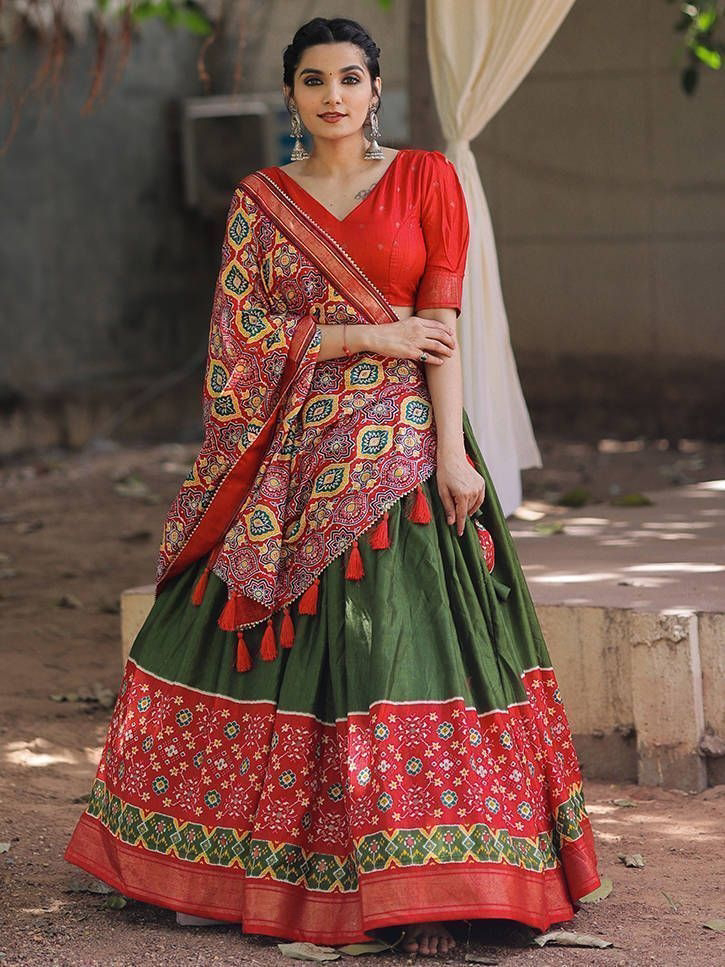
💛 **Chaniya Choli (Gujarat)** – A vibrant, pleated skirt with intricate embroidery and mirror work, often seen during Navratri celebrations, paired with a choli and dupatta.  

🌿 **Gaddi Dress (Himachal Pradesh)** – A unique flared skirt outfit worn by Gaddi women, often made of wool, reflecting the rugged charm of the Himalayan region.  

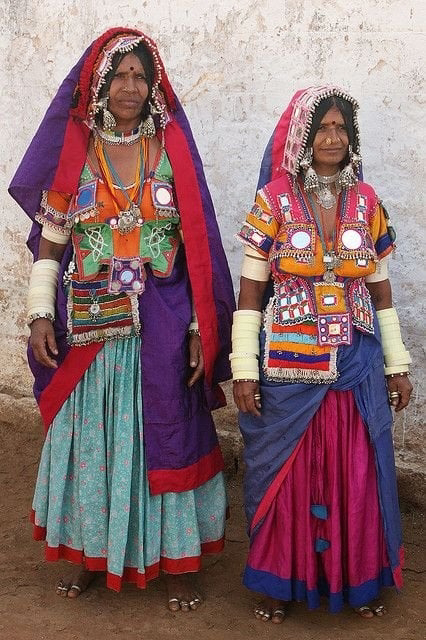
🌺 **Banjara Dress (Madhya Pradesh, Maharashtra, Rajasthan, Andhra Pradesh)** – A colorful, heavily embroidered skirt adorned with mirrors, shells, and beads, worn by the Banjara community, known for its nomadic traditions.  

🔥 **Bhil Dress (Madhya Pradesh, Rajasthan, Gujarat, Maharashtra)** – A simple yet vibrant ghagra and choli, often with traditional beadwork and handcrafted designs, reflecting the indigenous heritage of the Bhil tribe.  

🌸 **Kumaoni Dress (Uttarakhand)** – A beautifully draped, flared skirt outfit often worn with a Pichora (dupatta), featuring gold and red prints, symbolizing tradition and festivity.  

💛 **Haryanvi Dress (Haryana)** – A traditional ensemble featuring a pleated ghagra, a short kurti, and an orhni (dupatta), often seen in bold colors and simple embroidery.  

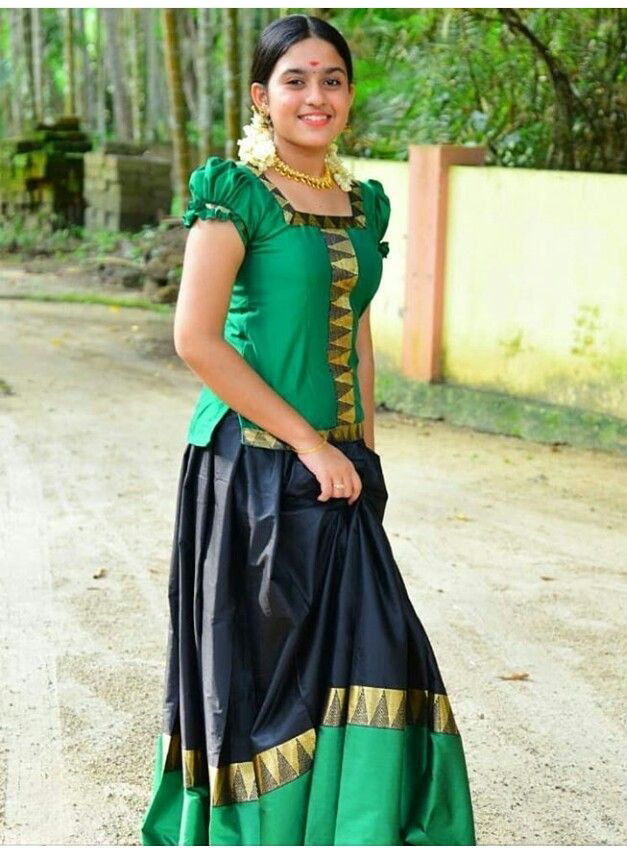
🌿 **South Indian Half Saree (Tamil Nadu, Karnataka, Andhra Pradesh, Kerala)** – Also known as **Langa Voni**, this elegant outfit consists of a long pleated skirt (langa), a blouse, and a draped dupatta, commonly worn by young girls.  

Each of these traditional outfits represents the **rich diversity, heritage, and craftsmanship** of India. Which one fascinates you the most? Let us know in the comments! ⬇️  

#TraditionalAttire #IndianFashion #CulturalHeritage #SkirtsOfIndia #IndianRoots

Sunday, September 3, 2023

Costumes of India


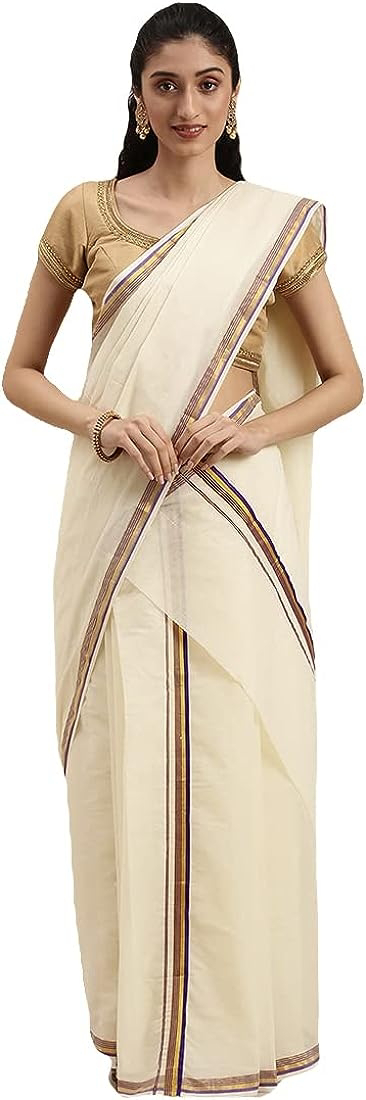
1. Mundum neriyatum from Kerala.

2. Poshak / Gagra Choli from Rajasthan.

3. Chaniya Choli from Gujarat.
4. Daaman, Kurti & Chunder from Haryana.

5. Mekha Chadar from Assam

6. Kulluvi or Pahari dress.

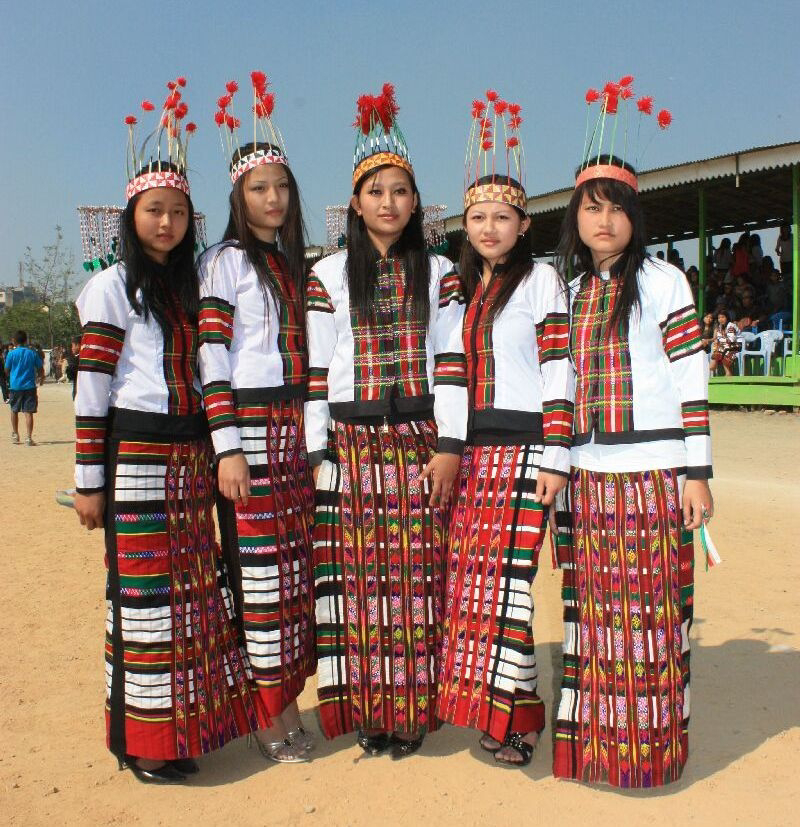
7. Puan, Puanchei, Pawl Kut and Chapchar Kut from Mizoram

8. Rignai, Risa and Rikutu from Tripura

9. Kilt, Azu Jangup Su, Moyer Tusk, Mechala, Neikhro, Tsungkotepsu, Lohe from Nagaland.

10. The Kho or Bakhu from Sikkim.
11. Innaphi and Phanek from Manipur.


12. Jainsem - tap-moh khlieh from Meghalaya.
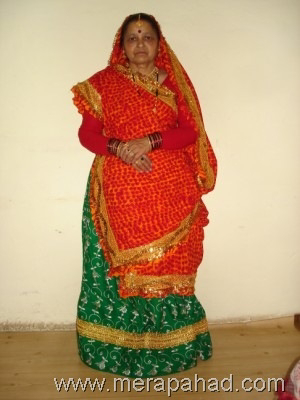
13. Ghagra pichora or Rangwali.
Thanks & Regards,
Know Your Roots.
✉️ knowyourroots.kyr@gmail.com

Thursday, January 7, 2021

Kupya Chale - KODAVA Men Dress

The traditional dress of the Kodavas, the Kupya Chale definitely stands apart . A Kupya Chale clad Kodava is as elegant as one can be. It is worn during family celebrations and festivities. It has a history as long as the Kodavas and today, it is worn with a modern touch with a white trouser and a tie.

The traditional dress consists of Kupya, Chale, Mande tuni, Peeche kathi and Odi kathi.


Kupya:

Kupya is a collarless, thick, short-sleeved , knee length coat made of wool or cotton.
There are black and white kupyas each having its own significance and worn in particular occasions.

The knee length black kupya was worn as everyday clothes in the earlier  days, as the thick material protected from the cold and while moving through the thick jungles.

Only a man who is in a position of honour wears a white kupya. During the marriage ceremony the bridegroom always wears a white kupya and in the time of death the kupya is reversed and is worn to the body.

Chale: The chale is a maroon gold-embroidered silk sash which is worn around the waist to secure the Kupya.


Mande tuni: Head dress , a white length of cloth is tied around the head as a turban. A red checkered cloth known as vastra is also used instead of the mande tuni.

Peeche Kathi: Kodavas have a very strong bond with their weapons
and even though the peeche kathi was not part of the traditional dress, they keep this silver dagger tucked in their chale as a part of their culture.

Odi kathi: is the main sword , it is tucked to the chale in the back side.


SANKETHI Language & Culture

SANKETHI – DIALECTS & VILLAGE DISTRIBUTION State: Karnataka Sankethi is a Tamil-rooted Brahmin community language that evolv...