Tuesday, March 26, 2024

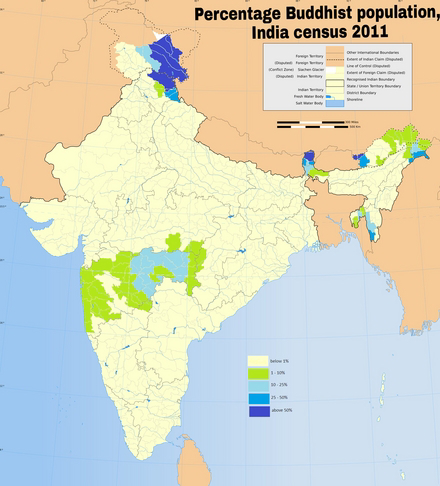
Know Buddhist Communities in India

Buddhism is an ancient Indian religion, which arose in and around the ancient Kingdom of Magadha (now in Bihar, India), and is based on the teachings of Gautama Buddha who was deemed a "Buddha" ("Awakened One"), although Buddhist doctrine holds that there were other Buddhas before him. Buddhism spread outside of Magadha starting in the Buddha's lifetime.


Beda Buddhists
Bengali Buddhists
Bhotiya Buddhists
Bhutia Buddhist 
Bodh Buddhist 
Bugun Buddhist 
Chakma Buddhist 
Chugpa Buddhist 
Gurung Buddhist 
Khamba Buddhists
Khamti Buddhists
Khamyang Buddhists
Ladakhi Buddhists
Limbu Buddhist 
Lepcha Buddhist 
Lishipa Buddhists
Marathi Buddhists
Na Buddhist 
Rakhine Buddhists
Sherpa Buddhists
Tai Phake Buddhists
Tamang Buddhists
Tanchangya Buddhists

Regards,
Vishal Kodial 
Know Your Roots

Monday, March 25, 2024

Know Jain Communities of India

Jains are found in almost every part of India. There are different Jain communities in India. They can be divided into 9 major groups based on their linguistic diversity.

1. Rajasthani Jains - 
Marwad Jain's - Shwetambar
Dhundar Jain's - Digambar

2. Gujarati Jain's - Shwetambar

3. Bundelkhandi Jain's - Digambar

4. Marathi Jain's - Digambar

5. Kannada Jain's - Digambar

6. Tulu Jain's - Digambar

7. Tamil Jain's - Digambar

8. Malayali Jain's - Digambar

9. Hindi Jain's - Digambar and Shwetambar

There are two major types of Jains, namely Digambar and Shwetambar.

1. Digambar(Dik+Ambar): Meaning, whose clothes(ambar) are his directions(dik)

These are the type of Jains who believe that the only way to achieve salvation is to eliminate all the attachments of life. It is due to this belief that Digambara Monks do not wear any clothes. Comparatively digambara sect is more rigid than shwetambara.

Digambaras are further divided into
Beespantha
Terapantha
Taranpantha

2. Shwetambar(Shwet+Ambar): Whose clothes(ambar) are white(shwet)

These type of Jains do not shun clothes. Shwetambara monks wear a simple white clothing(dhoti). Followers of this sect believe that there is not sufficient evidence to support that Jains need to give up clothes.

Shwetambaras are further divided into:
Murtipoojaka
Sthanakvasi
Terapanth

Along with some differences, both believe in basic principles of Jainism and the nuns of both the sects wear clothes. Some Shwetambaras decorate the idols with Jewellery while Digambaras do not. Also, Shwetambara idols’ eyes are looking upward while Digambara idols’ eyes remain lower than the line of sight but not closed.


The Jain population in India according to 2011 census is 0.54% i.e. 4,451,753 (Males 2,278,097; Females 2,173,656) out of the total population of India 1,210,854,977 (males 623,270,258; females 587,584,719).


Jain Conversions:

1. Konkani Jain's - Married to yemanis, Arabs and turks invaders then Converted to Nawayati Konkani Muslims

2. Tulu Jain's - Married to Arabs and turks invaders then Converted to Beary Muslims

Regards,
Know Your Roots
By Vishal Kodial 

Sunday, February 25, 2024

Catholic Churches

There are six different Catholic Rites, but there are more than 20 Catholic churches. Each church has its own traditions and is to some extent self-governing, but still subject to the Pontiff, the Vicar of Christ. These churches came about as a result of different traditions during the spread of the gospel in the early years of the church. There are also traditions and ways of worship that are part of the different religious orders. The different churches can basically be separated into Eastern and Western. Here is the list of the different churches and the divisions and sub-divisions into which they fit

List of Catholic Churches

🔶Western Rites:

🟢Latin Rite
Roman Rite
Ambrosian Rite
Mozarabic Rite
Anglican Rite
Carthusian Rite

🔶Eastern Rites:

🟢Alexandrian Rite
Coptic Church
Eritrean Church
Ethiopic Church

🟢Antiochian Rite
Maronite Church
Syro-Malankara Church
Syriac Church

🟢Armenian Rite
Aremenian Church

🟢Chaldean Rite
Chaldean Church
Syro-Malabar Church

🟢Byzantine Rite
Albanese Church
Belarussian Church
Bulgarian Church
Croatian Church
Greek Church
Greek-Melkite Church
Hungarian Church
Italo-Albanese Church
Macedonian Church
Romanian Church
Russian Church
Ruthenian Church
Slovak Church 
Ukrainian Church

Sunday, September 3, 2023

Costumes of India


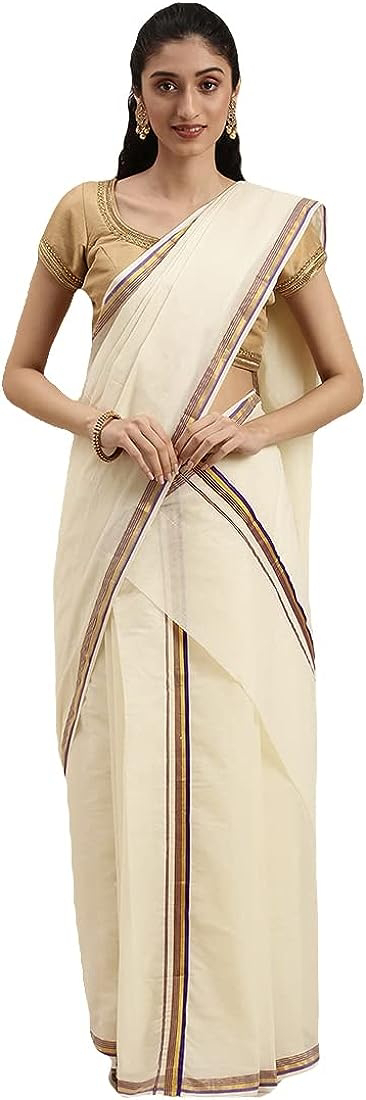
1. Mundum neriyatum from Kerala.

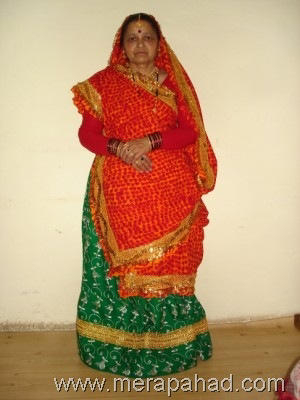
2. Poshak / Gagra Choli from Rajasthan.

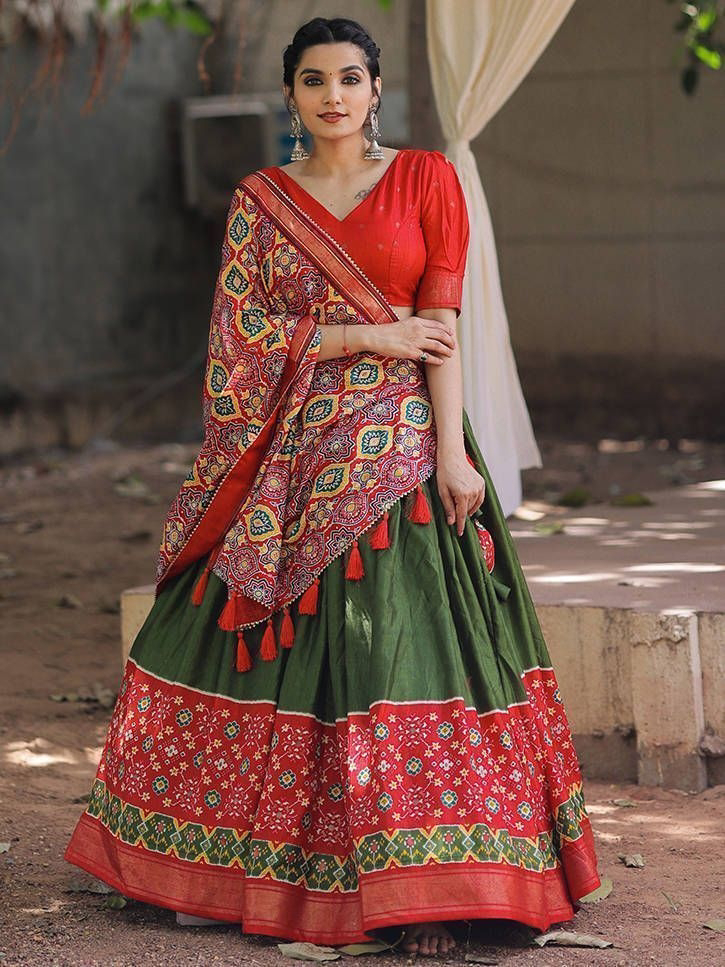
3. Chaniya Choli from Gujarat.
4. Daaman, Kurti & Chunder from Haryana.

5. Mekha Chadar from Assam

6. Kulluvi or Pahari dress.

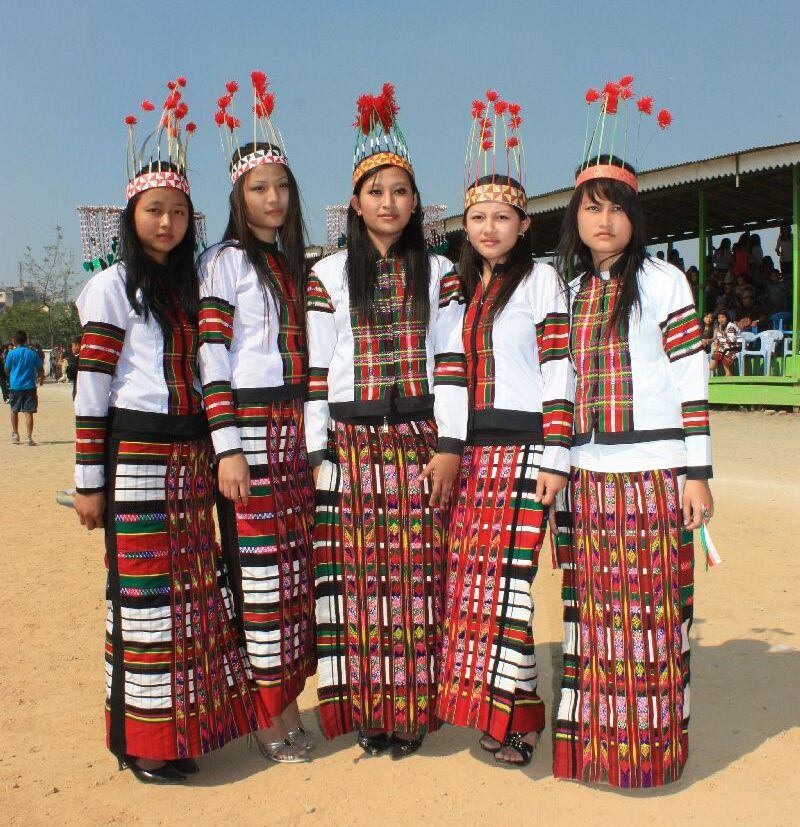
7. Puan, Puanchei, Pawl Kut and Chapchar Kut from Mizoram

8. Rignai, Risa and Rikutu from Tripura

9. Kilt, Azu Jangup Su, Moyer Tusk, Mechala, Neikhro, Tsungkotepsu, Lohe from Nagaland.

10. The Kho or Bakhu from Sikkim.
11. Innaphi and Phanek from Manipur.


12. Jainsem - tap-moh khlieh from Meghalaya.
13. Ghagra pichora or Rangwali.
Thanks & Regards,
Know Your Roots.
✉️ knowyourroots.kyr@gmail.com

Tuesday, April 25, 2023

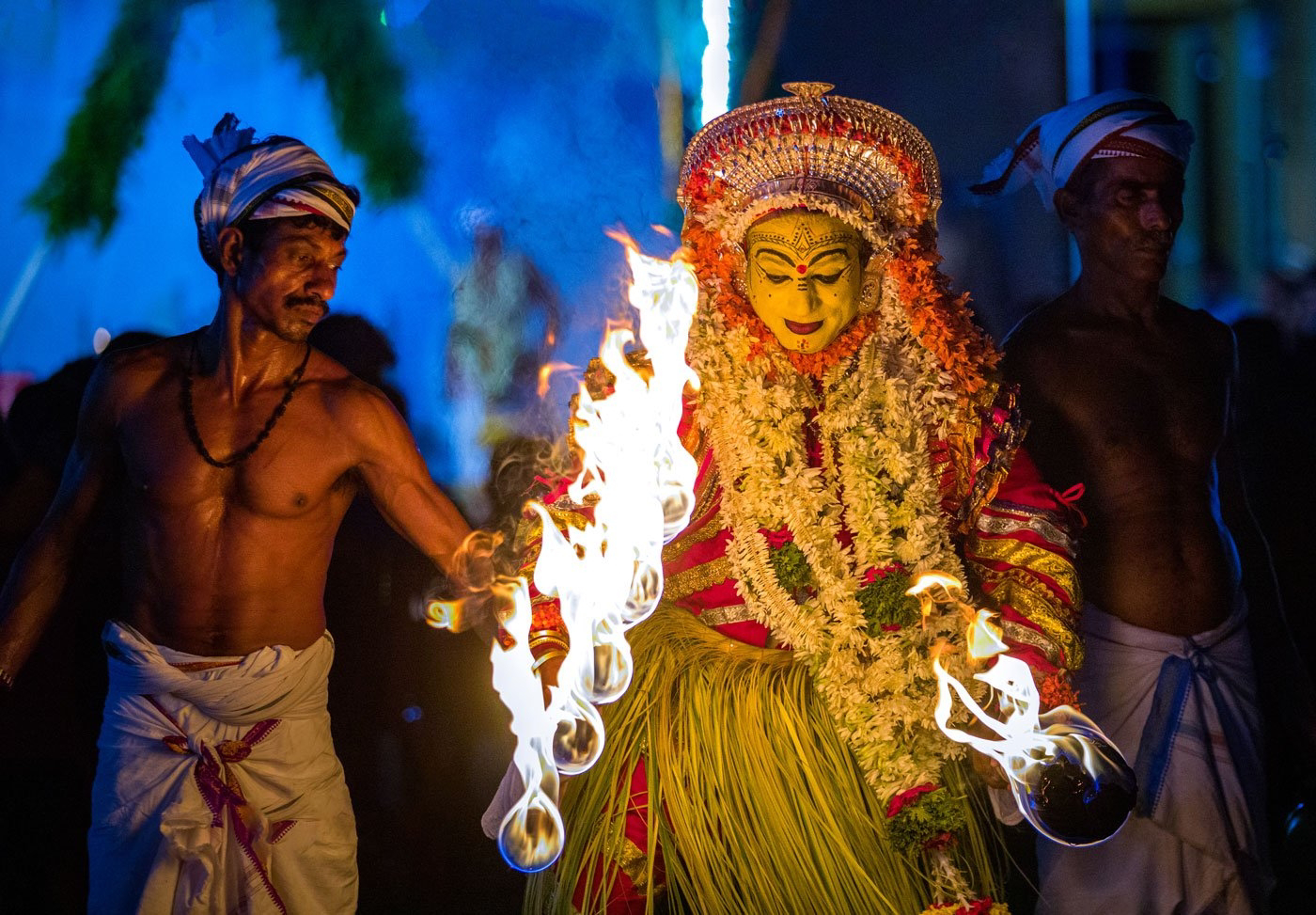
Tulunad Daivas

Tulunad Daivas:

1. Dhumavati/jumadi bunta
2. Pancha jumadi bunta
3. Marl jumadi
4. Kaanteri jumadi
5. Kolatha jumadi
6. Kolla pootha jumadi
7. Mardal jumadi
8. PANJURLI
9. Annappa panjurli
10. Kallurti-panjurli
11. Kuppettu panjurli
12. Baggu panjurli
13. Golidadi panjurli
14. Kalyaboodu panjurli
15. Dendoora panjurli
16. Paajei panjurli
17. kadambare panjurli
18. jodu panjurli
19. male panjurli
20. guliga panjurli
21. Varna panjurli
22. alera panjurli
23. Malara panjurli
24. Bollela panjurli
25. Tembailu panjurli
26. Chombakallu panjurli
27. Kaanthavara panjurli
28. Hebri panjurli
29. Kukke panjurli
30. Kadri panjurli
31. kadapu panjurli
32. Ambadadi panjurli
33. potta panjurli
34. Kadambare panjurli
35. Guliga panjurli
36. Kalkuda-kallurti
37. Odilthaye
38. Pilichamundi/ vyagra chamundi
39. Bobbarya
40. Jaarandaya
41. Kodamanithaya
42. Kukkinanthaya
43. Baikadthi
44. Chikkamma
45. Daaram ballalthi
46. Kalabhairava
47. Kalarahu
48. Kaalarkai
49. Kumara swamy
50. Kanyakumari
51. Mahakali
52. Paatala bhairava
53. Mayandal
54. Malaraya
55. Koteda babbu swamy
56. Tannimaniga
57. Chavundi
58. Guliga
59. sankale guliga
60. subbiyamma subbi guliga
61. guliga bhairava
62. raudrandi guliga
63. rahu guliga
64. netther guliga
65. Paatala guliga
66. Neecha (koraga taniya)
67. Kamberlu
68. Abbaga daaraga
69. Kshetra paala
70. Nandigona
71. Maisayndaya
72. Rakteshwari/lekkesiri
73. Raahu
74. Jattiga
75. Naga bermer
76. kaalamma
77. kanapadithaya
78. kuriyodithaya
79. kallerithaya
80. dayyengul
81. ullalthi
82. moovar daivangal
83. naalkatthaya
84. satyadevate/ posa bhuta
85. mantradevate
86. bunta daiva
87. vaidyanatha/ mundathaya
88. ajji bhuta
89. shiradi daiva
90. koragajja
91. korati
92. poyyathai
93. hallathayi
94. koti chennaya
95. bhavana
96. vishnumurthy
97. birnachari
98. padkanthaya
99. brahma mugera
100. uliyathaya
101. pattorithaya
102.mantradevathe

Saturday, January 21, 2023

Aruvu Language: An Ancient Language on the Brink of Survival

Aruvu

Aruvu : An Ancient Language on the Brink of Survival

Aruvu (also known as Arava) is an ancient spoken language primarily used by Dalit communities in South Bengaluru, particularly in Anekal Taluk of Karnataka. Despite its rich linguistic heritage and centuries-old existence, the language remains largely undocumented, with no established script and very little recognition in academic, political, or media circles.

Aruvu survives exclusively as an oral language, passed down through generations. Linguistically, it displays remarkable similarities with Kannada, Tamil, and Telugu, reflecting the historical and cultural interactions of communities living along the Karnataka–Tamil Nadu–Andhra Pradesh border regions. Scholars and community elders believe that the language may have evolved through a blending of archaic forms of these Dravidian languages.

Although often overlooked, Aruvu is spoken by a significant population. It is estimated that nearly 40% of the Dalit population in Anekal Taluk uses the language in daily life. More broadly, between 6 and 8 lakh people are believed to speak Aruvu across various clusters in Karnataka, Tamil Nadu, and Andhra Pradesh.

The language is deeply rooted in the history and identity of marginalized communities. Some local traditions trace its origins back nearly 3,000 years. Yet, despite its cultural significance, Aruvu remains absent from most published linguistic records and has received little institutional support. Without systematic documentation, preservation, and promotion, the language faces the risk of gradual decline.

Major Aruvu-Speaking Regions

1. Anekal Cluster (Bengaluru Urban District, Karnataka)

Anekal Taluk remains one of the strongest centres of the language, where Aruvu continues to be actively spoken in homes and communities.

Town: Anekal

Villages and Surrounding Areas:

* Kittiganahalli

* Thirupalya

* Marsur

* Mayasandra

* Sarjapura

* Mugalur

* Dommasandra

* Numerous surrounding hamlets

2. Kolar and Bangarapet Clusters (Kolar District, Karnataka)

Due to the district's proximity to Tamil Nadu and Andhra Pradesh, Aruvu has remained an important medium of communication among cross-border communities.

Towns:

*Bangarapet

* Malur

* Mulbagal

* Robertsonpet (KGF region)


Villages and Rural Areas:

* Hulkur

* Kamasamudra

* Budikote

* Yeldur

* Rural settlements along the Malur–Hoskote belt

3. Bengaluru Rural and Ramanagara Border Region

The language is also found in villages and farming communities along the rural borders of Bengaluru and Ramanagara districts.

Areas and Villages:

* Hoskote peripheral villages

* Kanva region

* Kanakapura rural stretches

* Sulibele

* Hindiganal

* Forest-border hamlets around Magadi

4. Inter-State Border Regions (Tamil Nadu and Andhra Pradesh)

Aruvu extends beyond Karnataka into neighbouring states, particularly in areas historically connected through trade, migration, and shared cultural traditions.

Tamil Nadu (Krishnagiri and Tirupattur Districts):

* Hosur peripheral villages

* Thally region

* Berigai

* Bagalur

* Rural parts of Vaniyambadi


Andhra Pradesh (Chittoor District):

* Villages around Kuppam

* Vasanadu region

* Border settlements connected to Kolar and Krishnagiri

Preserving a Living Heritage

Aruvu is more than a language—it is a repository of collective memory, cultural identity, oral traditions, folklore, and lived experiences of communities that have historically remained on the margins. Documenting its vocabulary, grammar, oral literature, songs, and histories is essential not only for linguistic preservation but also for safeguarding an important part of South India's cultural diversity.

The survival of Aruvu depends on sustained efforts by researchers, community members, educational institutions, and policymakers. Without timely intervention, this unique linguistic heritage may gradually disappear from future generations.
Know Muslim Communities of India.

  Linguistic & Ethno-Cultural Classification of Indian Muslim Communities Muslim communities across India reflect the country's rich...